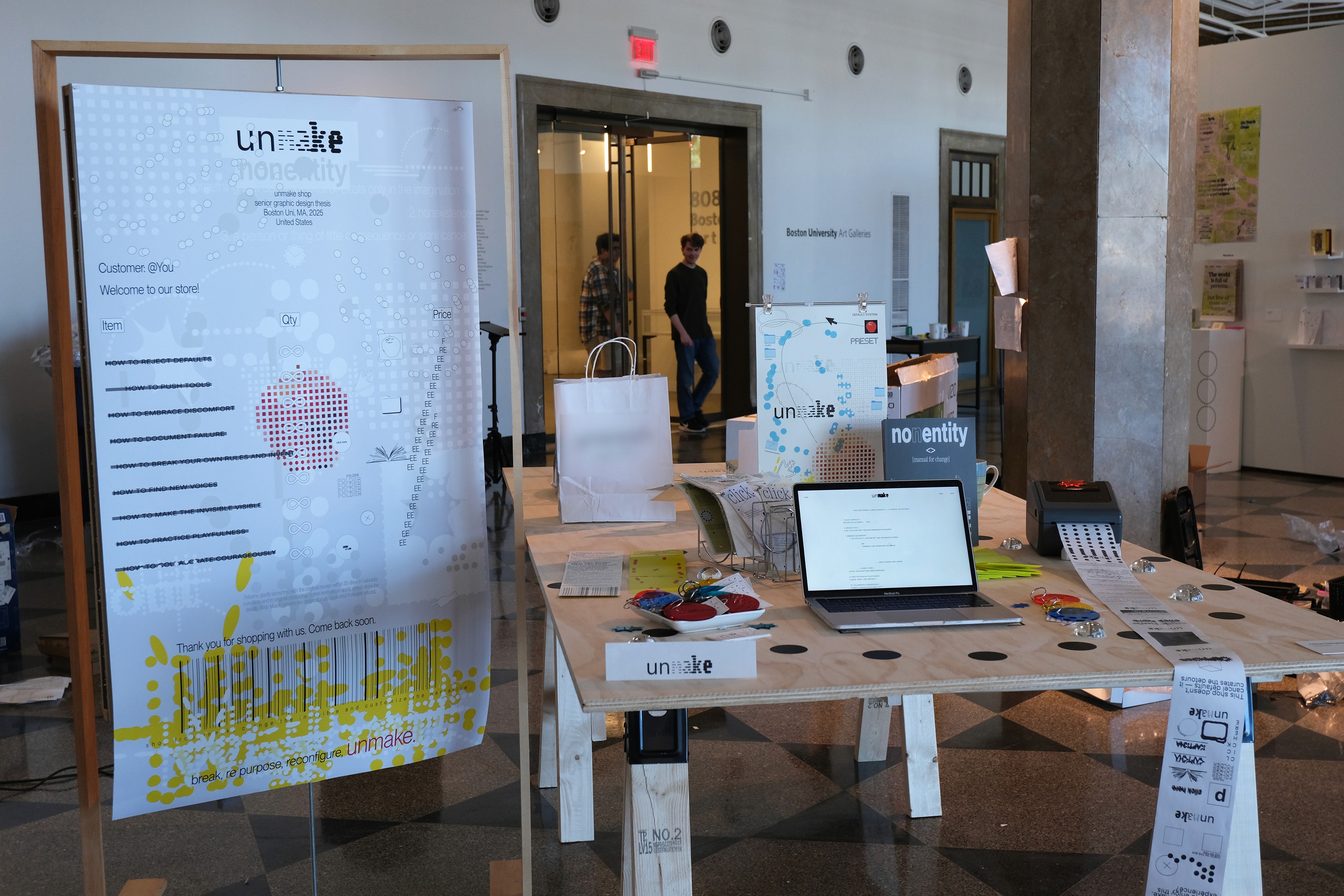
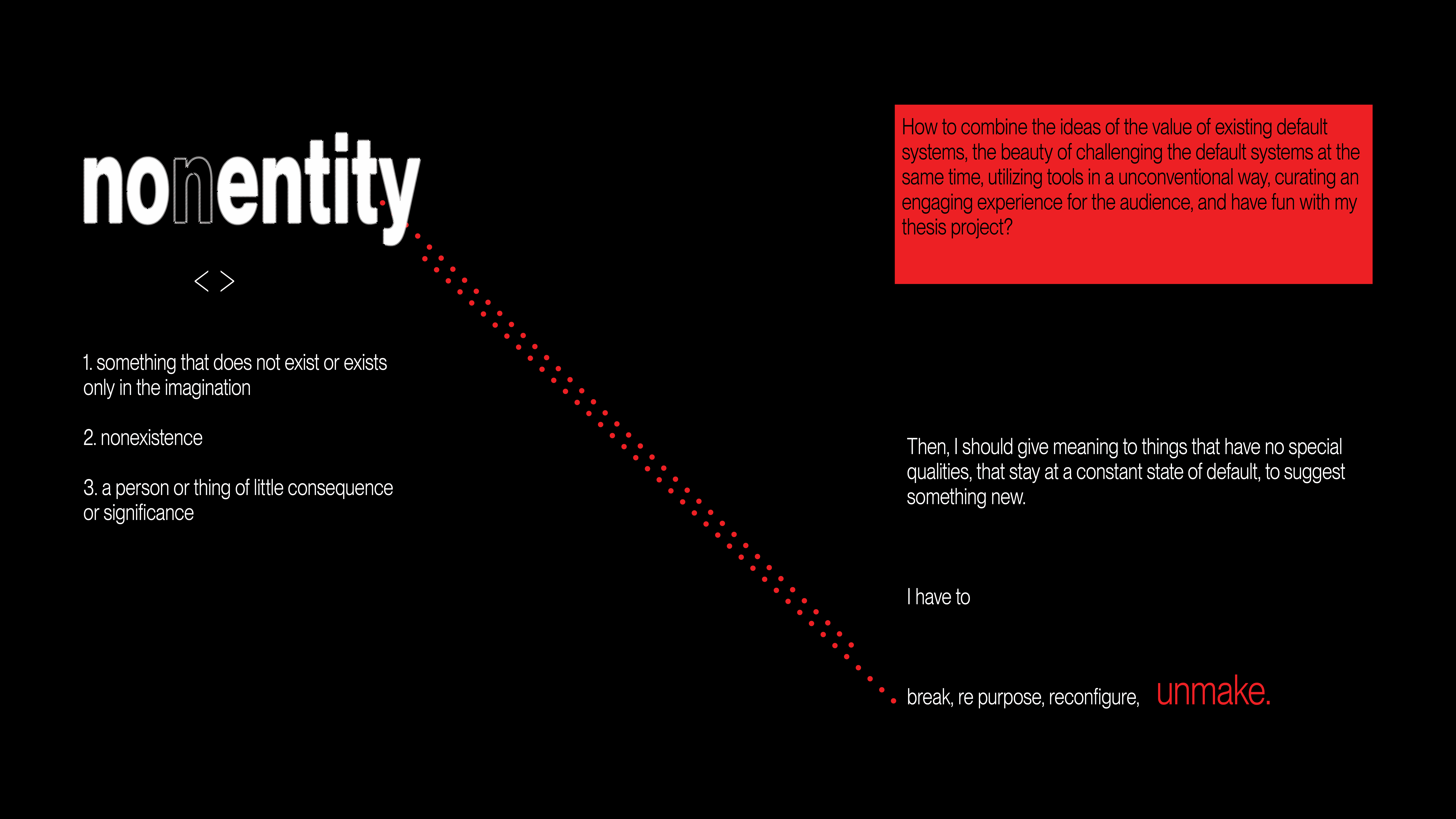
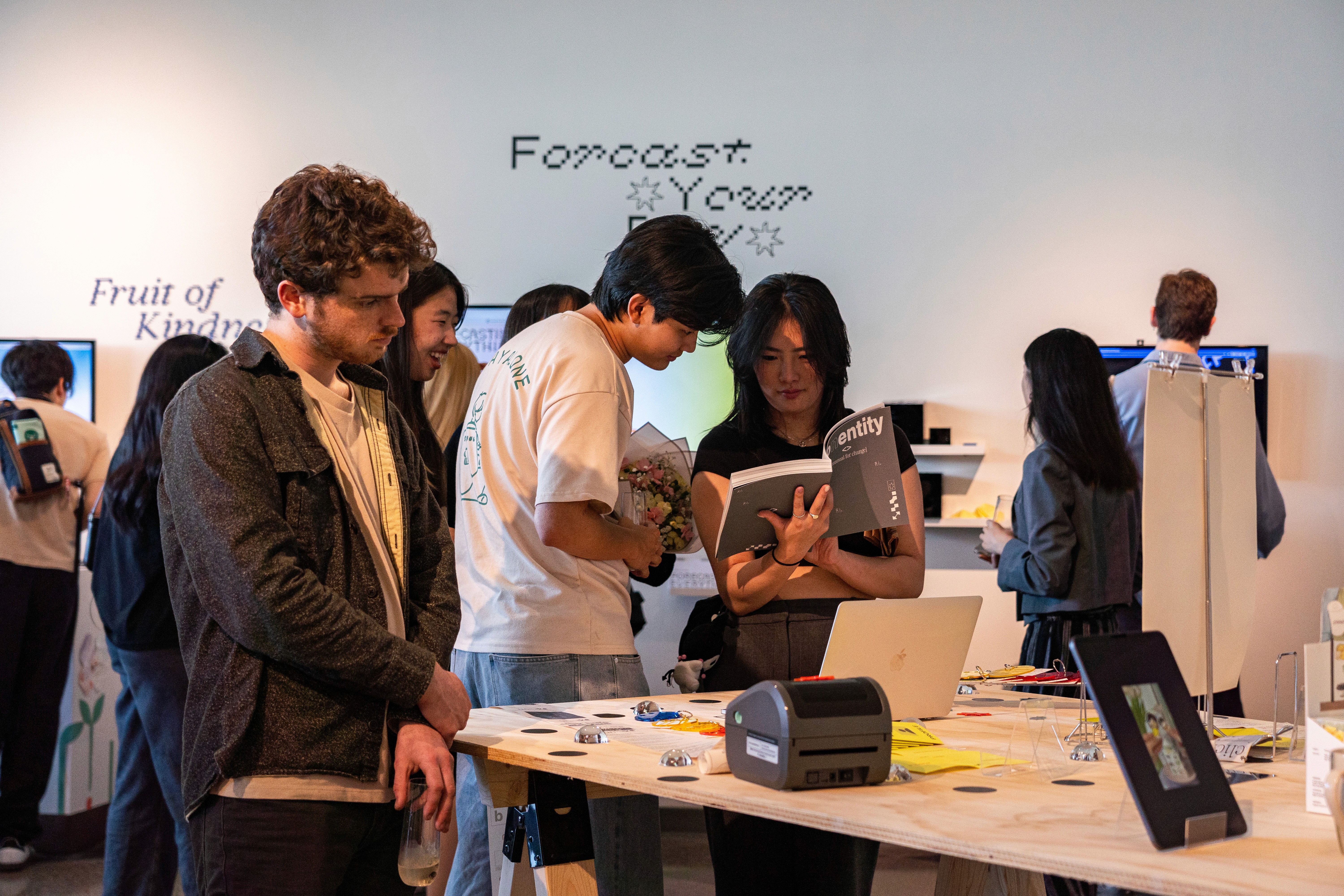
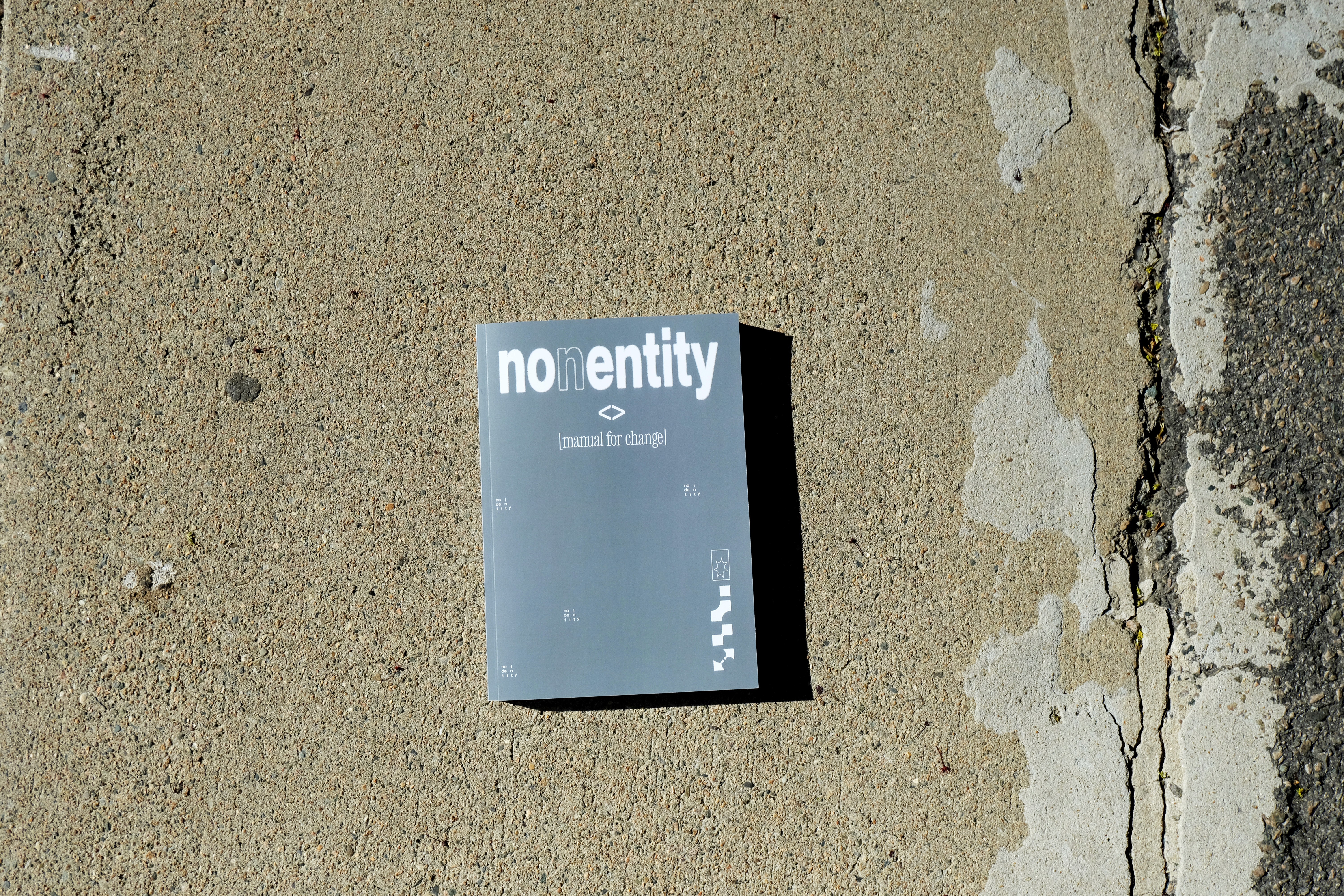
nonentity is my senior year thesis that explores the relationship between a tool and a human as well as ways to break, repurpose, and reconfigure default systems. This thesis consists of several projects, the thesis book, and pictures from the 2025 BU BFA thesis show.
Defining the interest & problem
Interest:
I was born and raised in Seoul, South Korea, a society known to mold people within the small societal landscape. As a designer, I've always been an experimenter. I loved using new methods or figuring out different ways of producing assets. So for thesis, I wanted to use this opportunity to study the tools we interact in a daily basis and I wanted to understand the ‘invisible rules’ built into design software, like the presets, constraints, and automated behaviors. We rarely think to challenge or question the default settings on our devices. We accept preset preferences when we unwrap a new device. My upbringing and the society we are surrounded by is what prompoted me to dive deeply into what it truly means to live life by default vs. intentional design.
Problem:
I was interested in the problem of creative dependency: how much of what we produce is genuinely our decision, and how much is predetermined by the logic of the tool itself? The problem was that many design outputs start to look similar because tools impose patterns, structures, and defaults that we often don’t question.
TL;DR
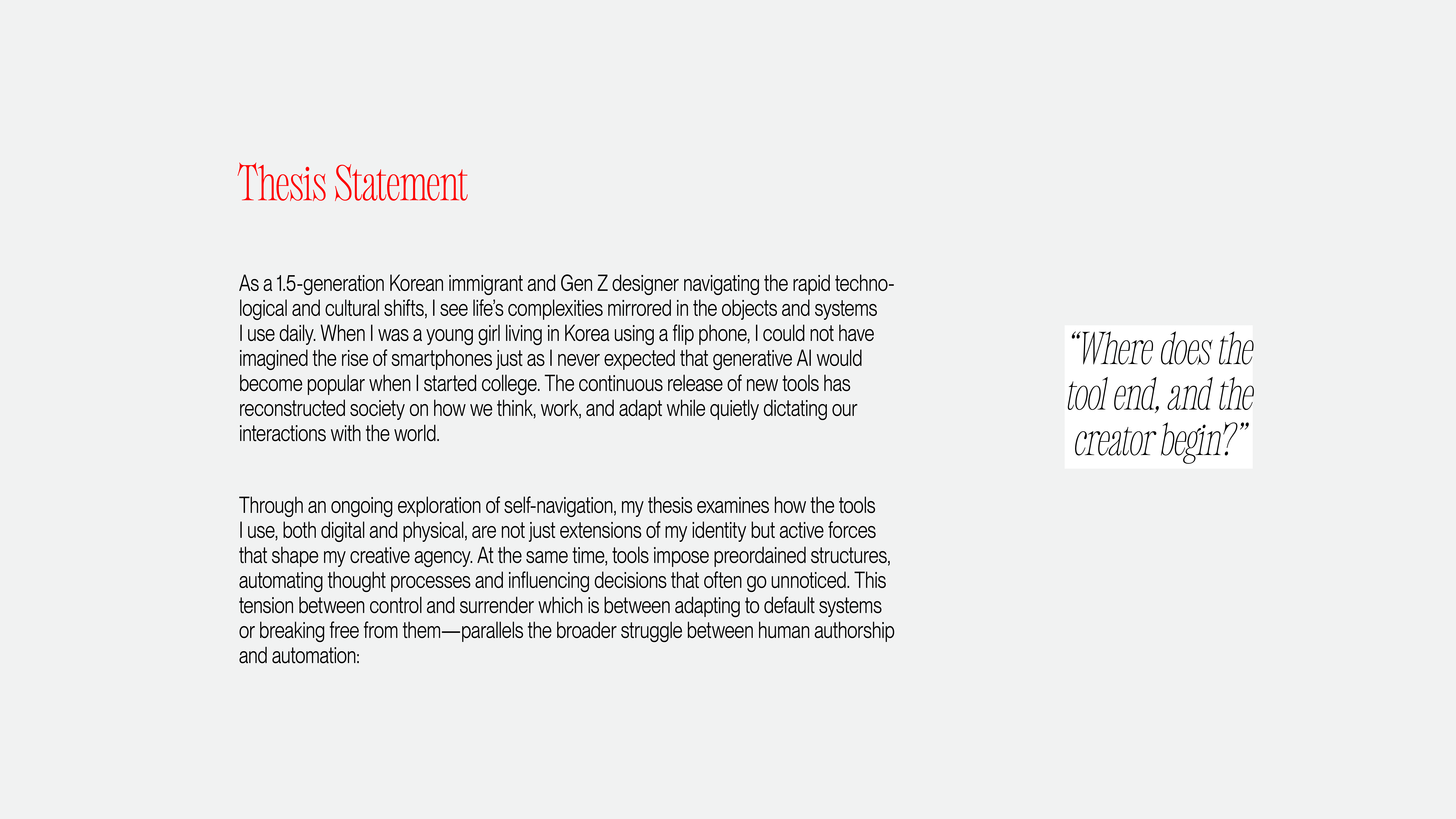
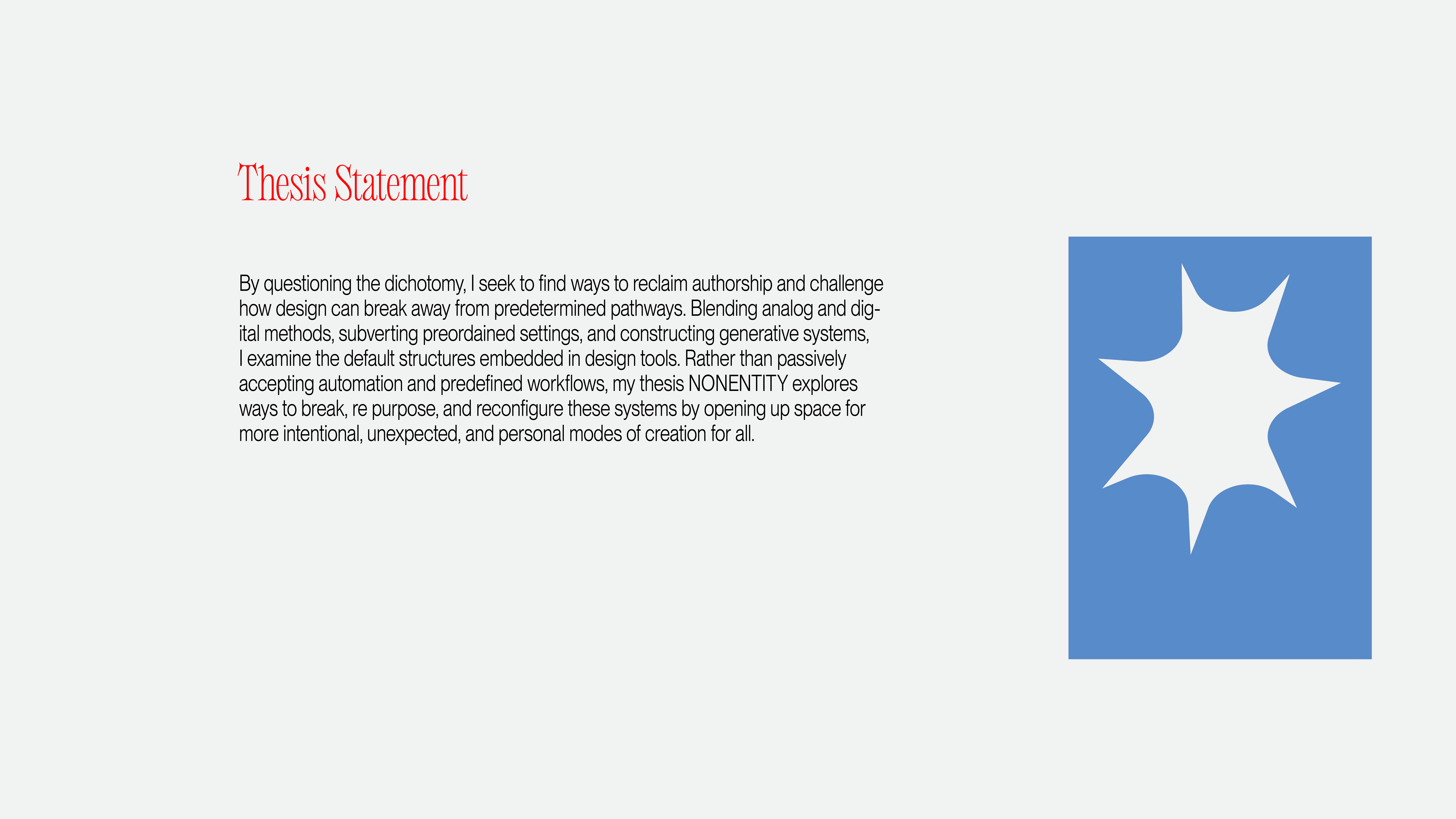
This thesis examines how default systems in design shape our creative decisions, often without us noticing.
Through experiments that break, repurpose, and reconfigure those boundaries, my work reimagines what intentional creation can look like.
Research Process
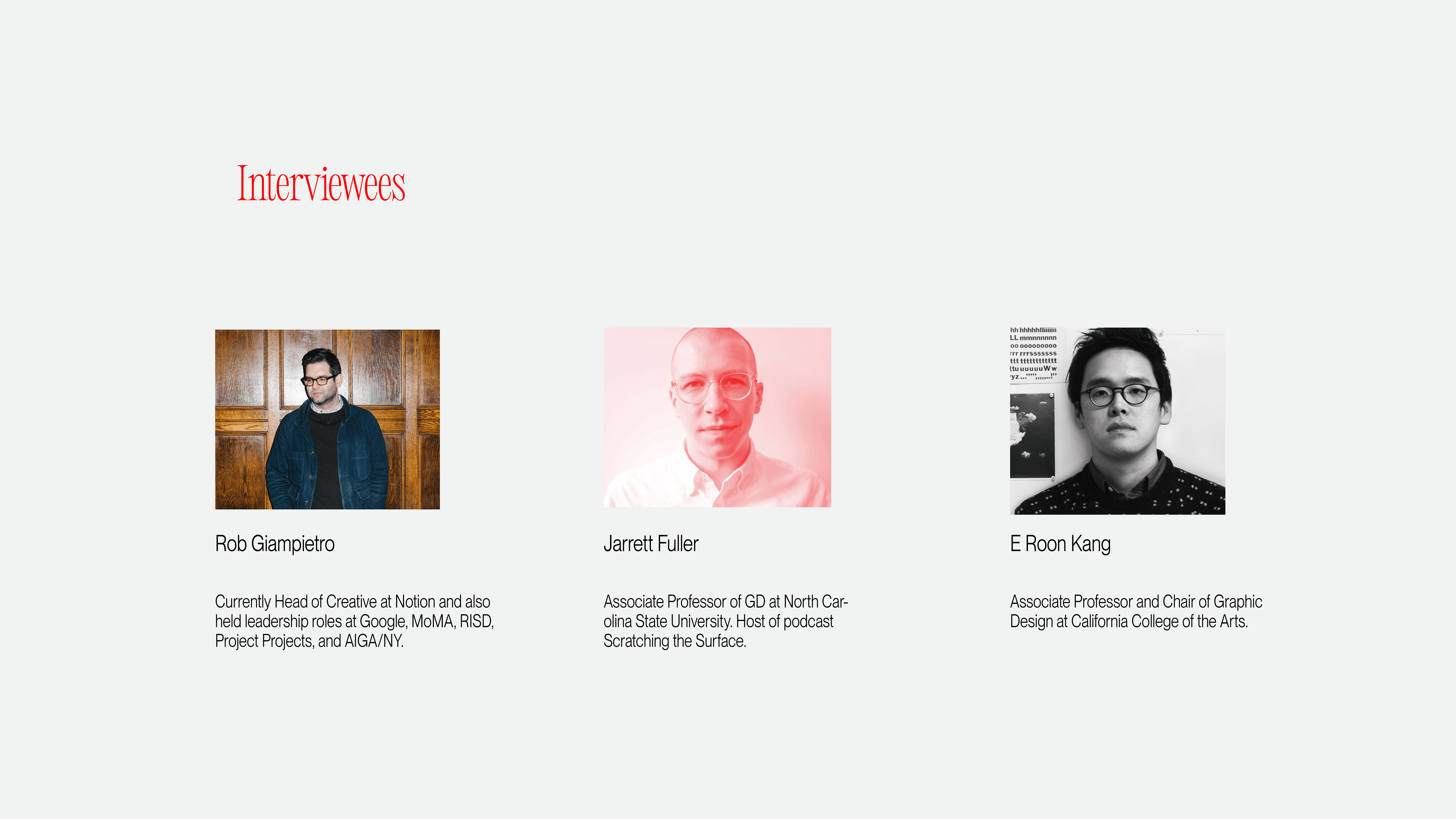
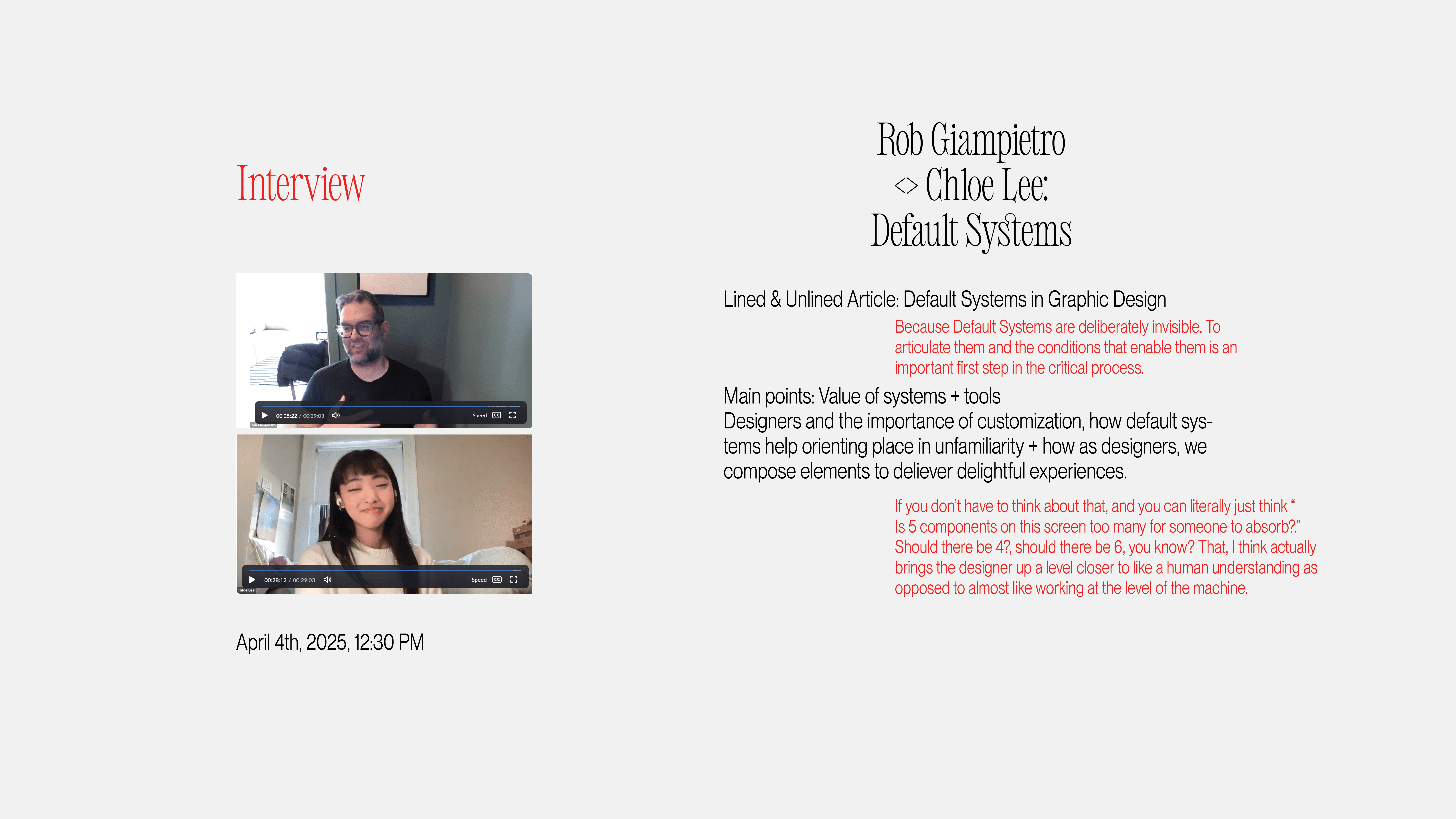
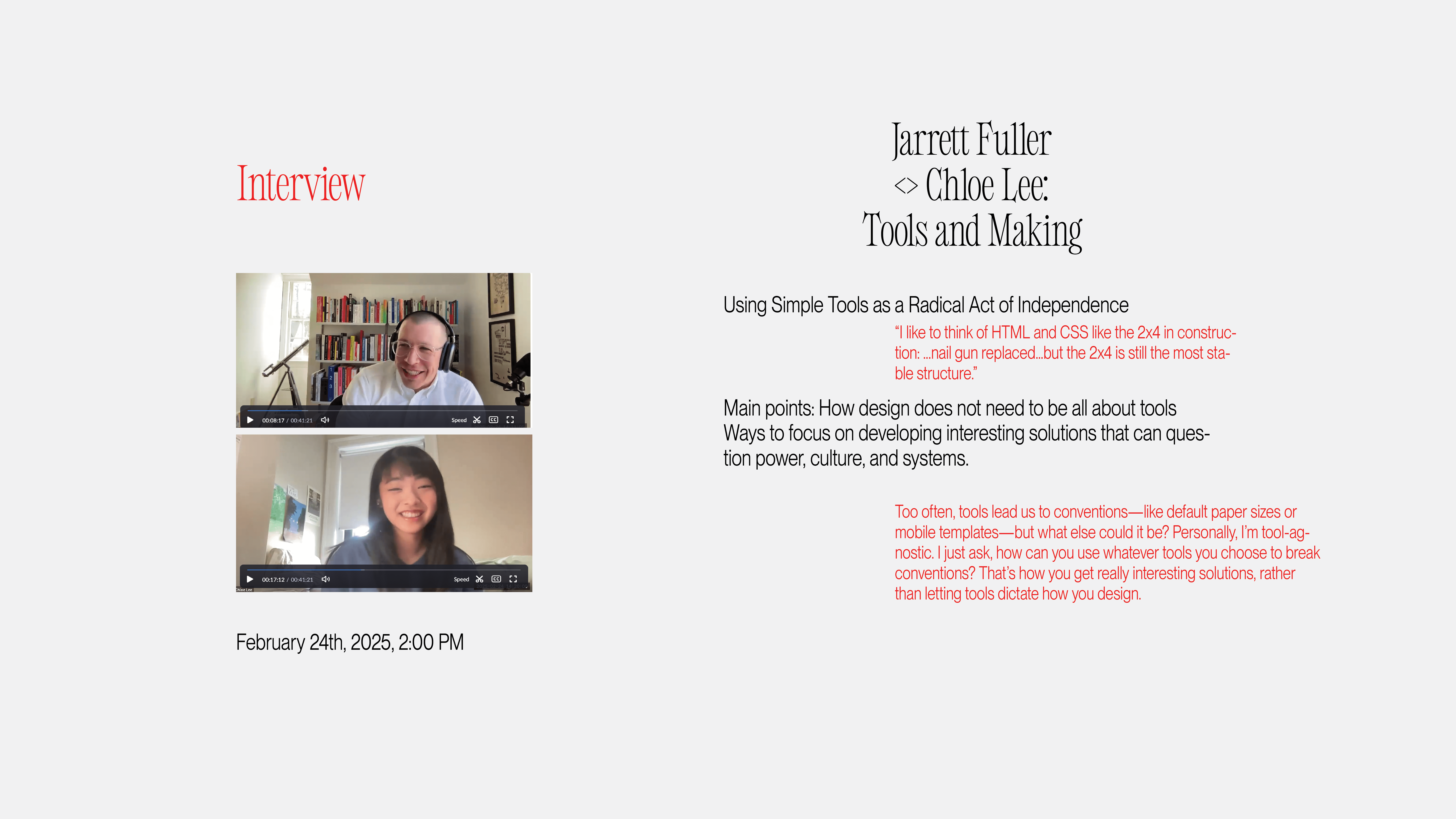
Interviewing amazing designers to shape how my thesis should go!

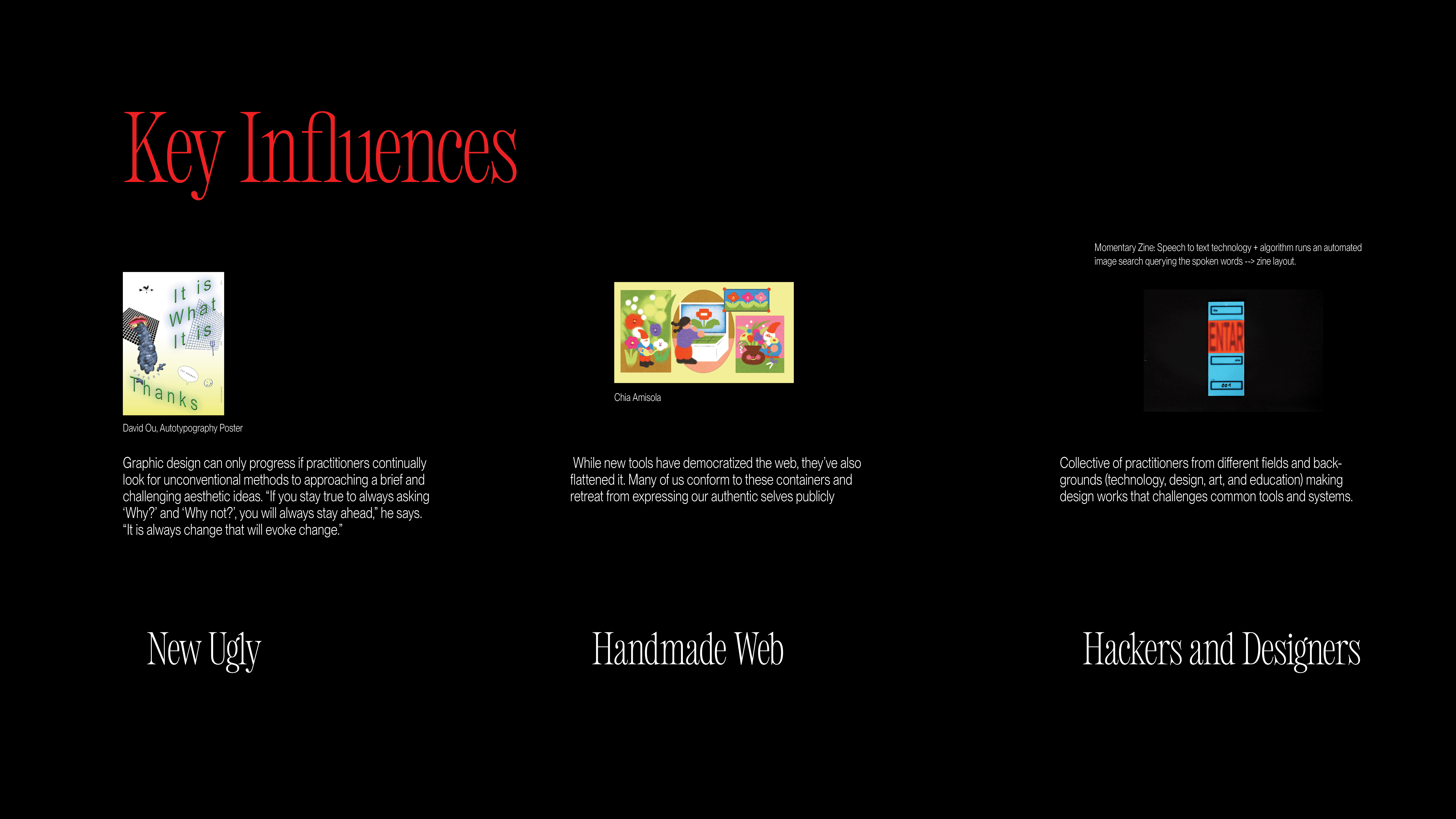
Key influences and process
I utilized Are.na to collect default entities that are present in our web world (GUI, color, profile) and defined my key influences that held the same purpose as my thesis.

Part of thesis: user testing
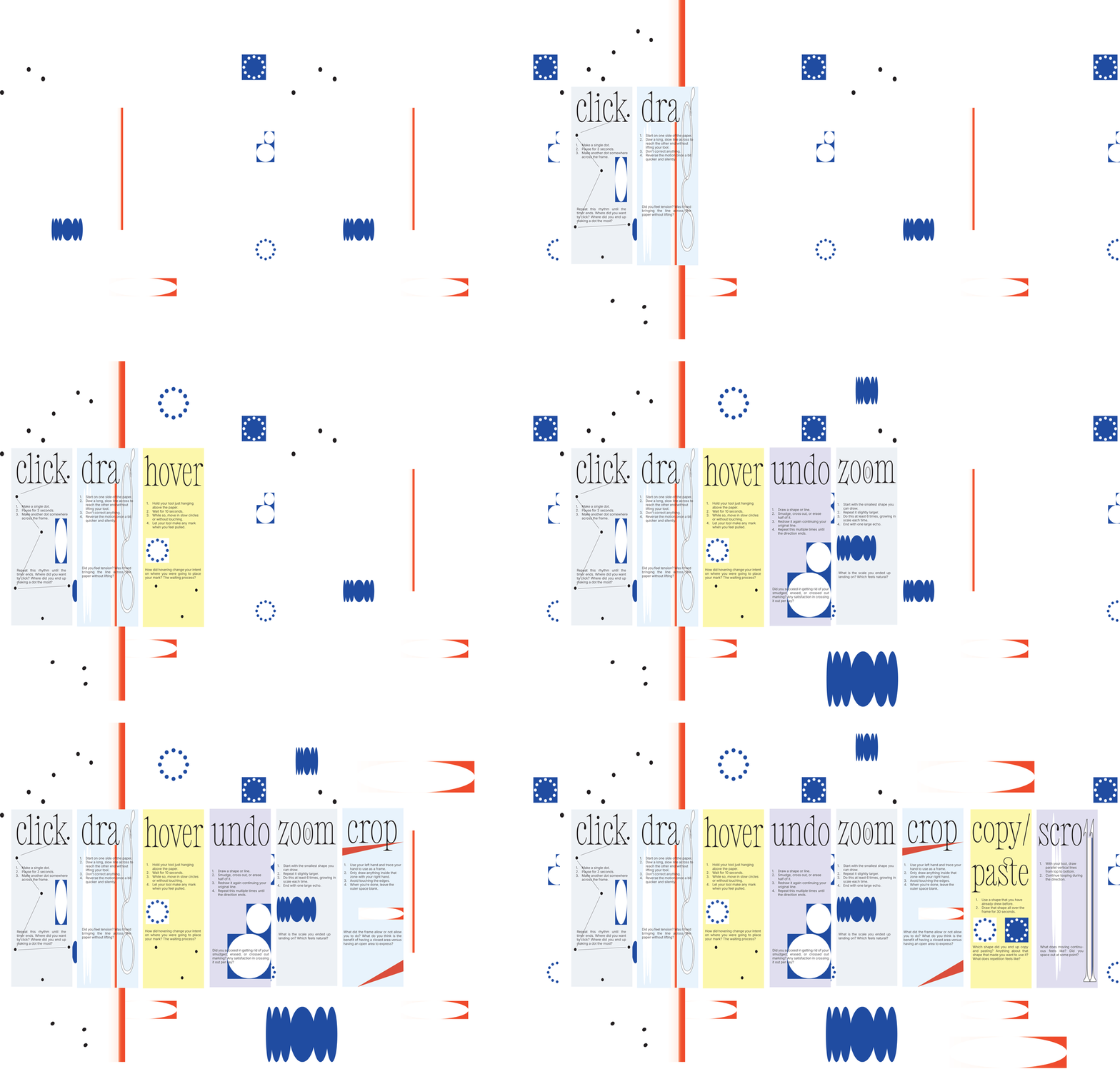
As part of my research phase, I led a collaborative Gesture Workshop that invited peers to generate marks without relying on typical design tools or structured prompts. These observations directly informed my thesis, reinforcing the need for design systems that make space for uncertainty, personal interpretation, and user-driven authorship.
Gesture workshop ↗
Visual system
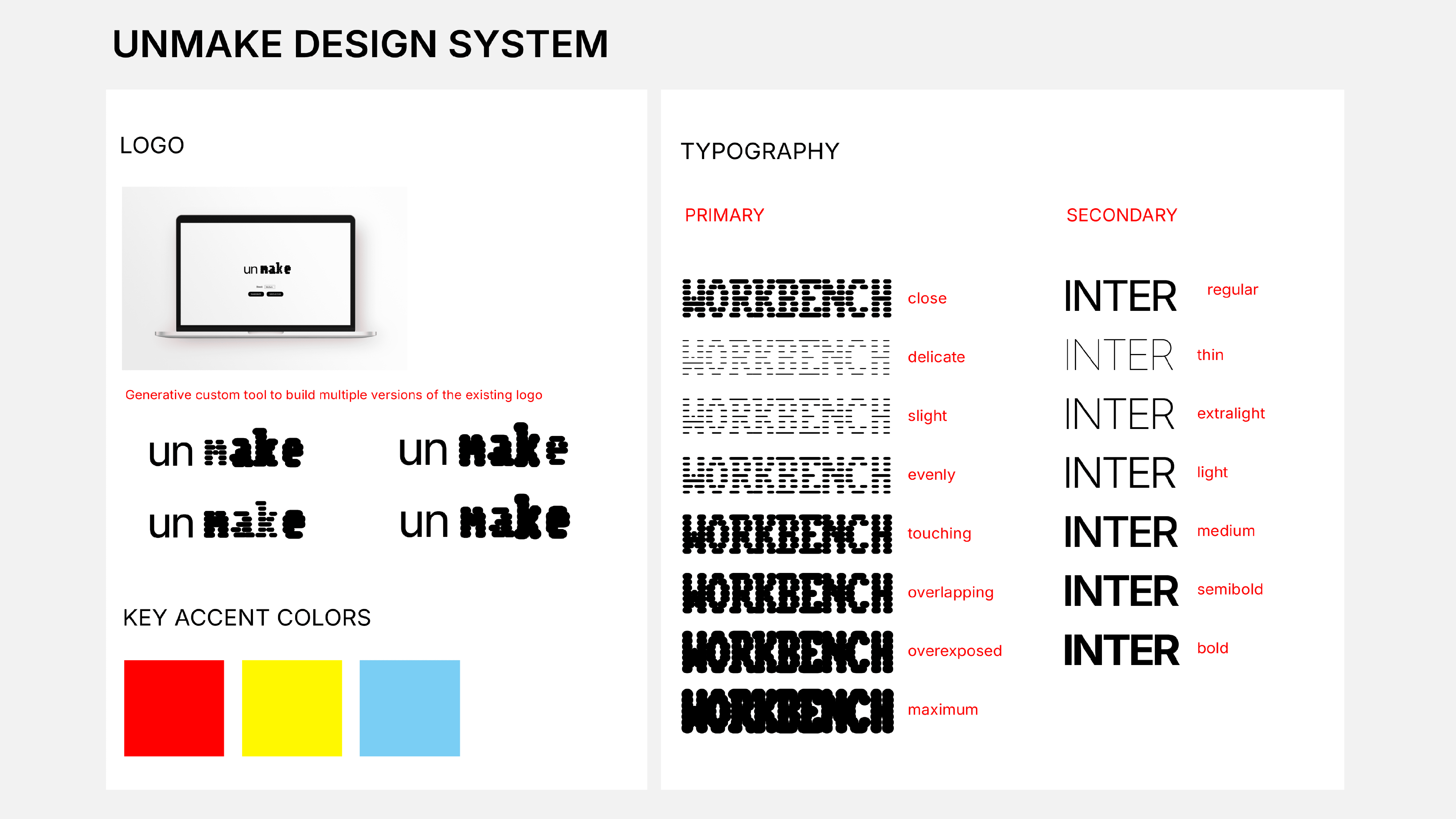
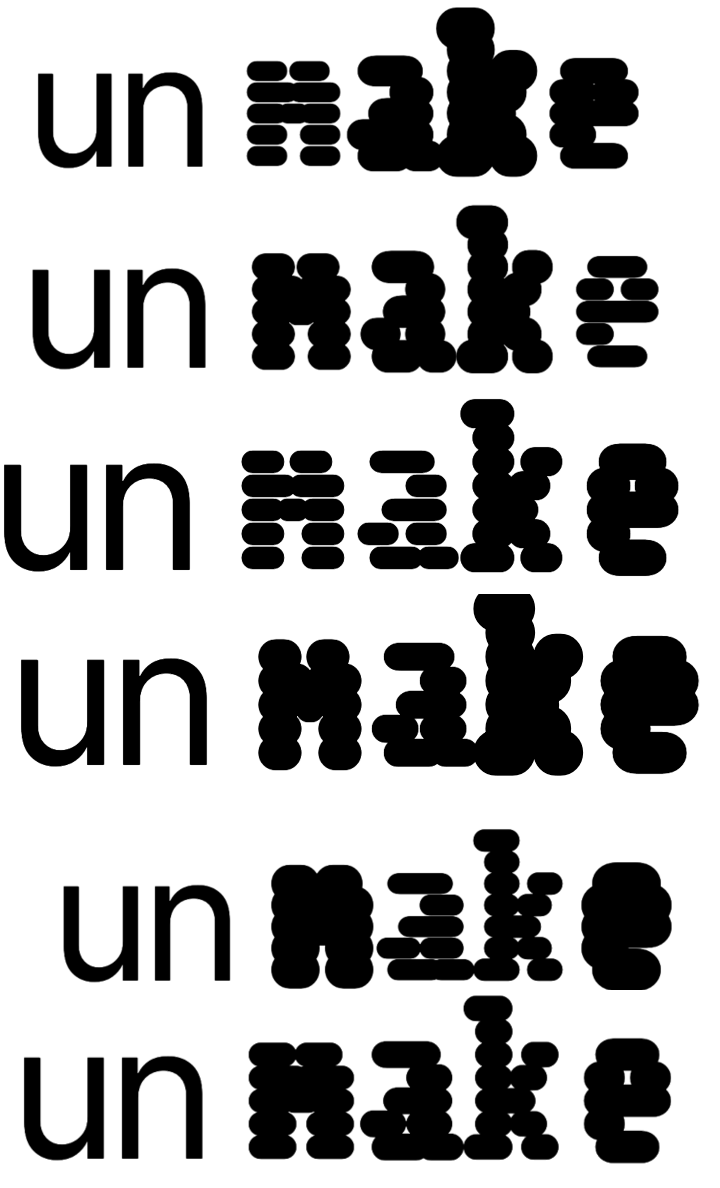
Developing a tool that defines the very base of my thesis: changing logo that creates diverse options and random outlooks
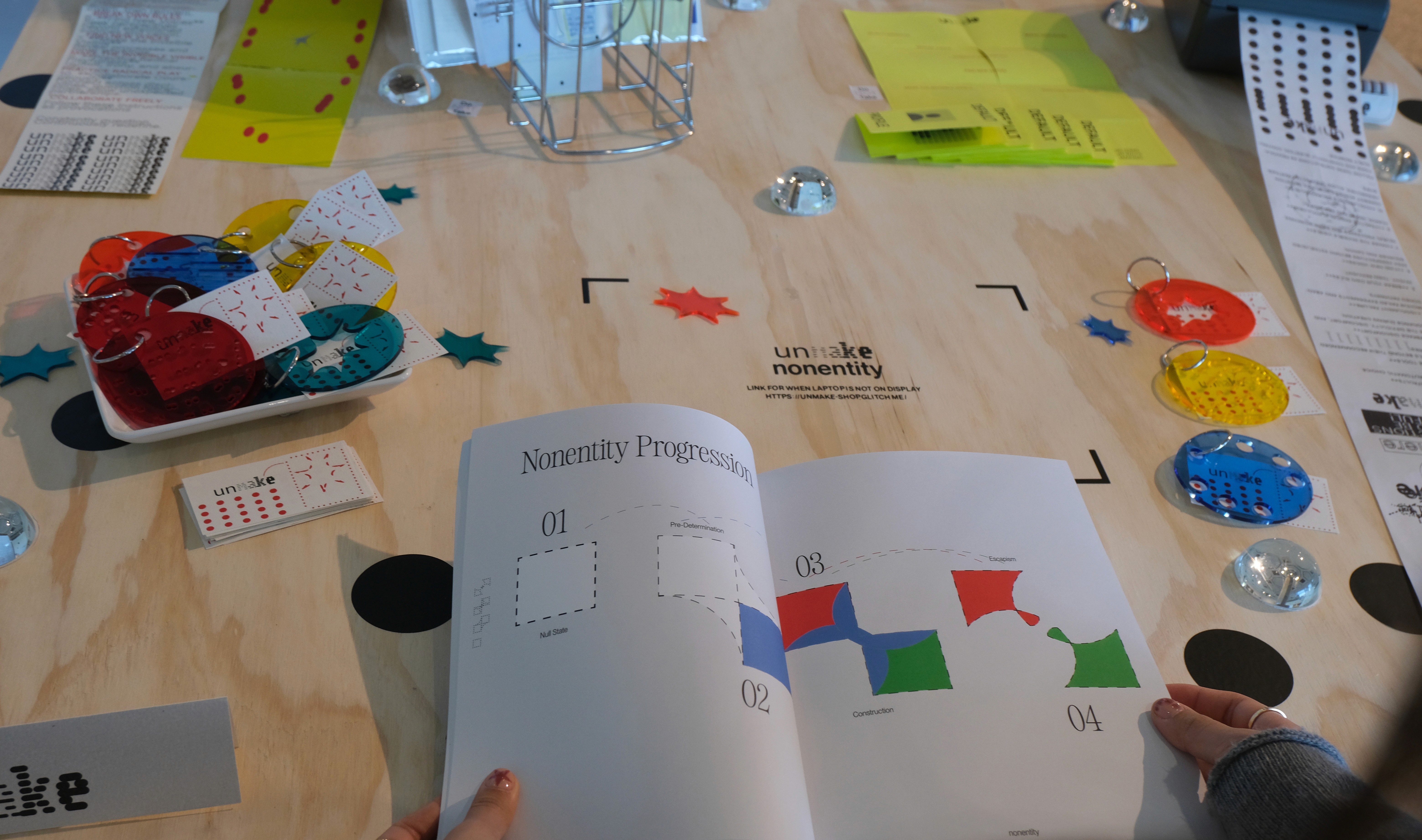
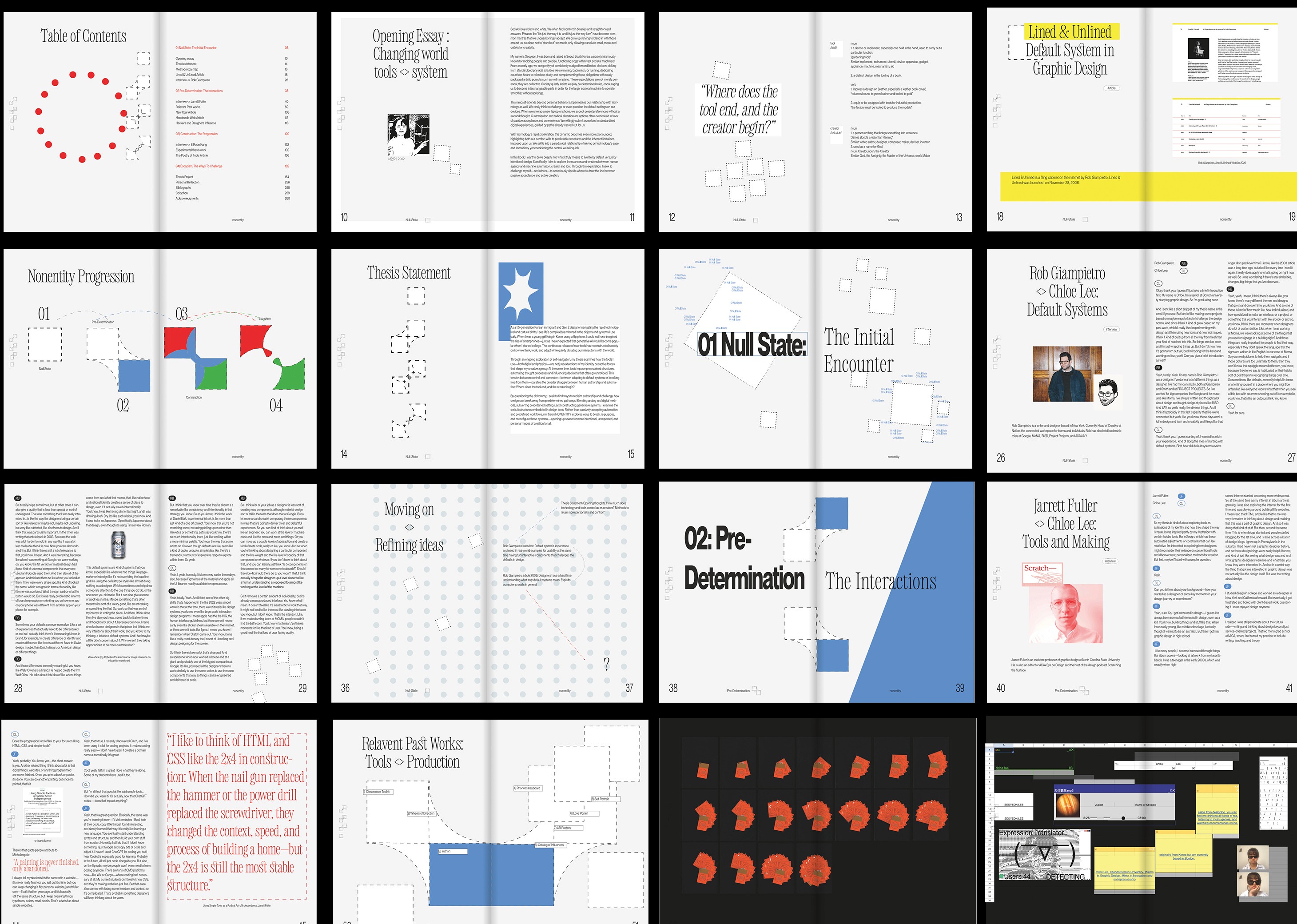
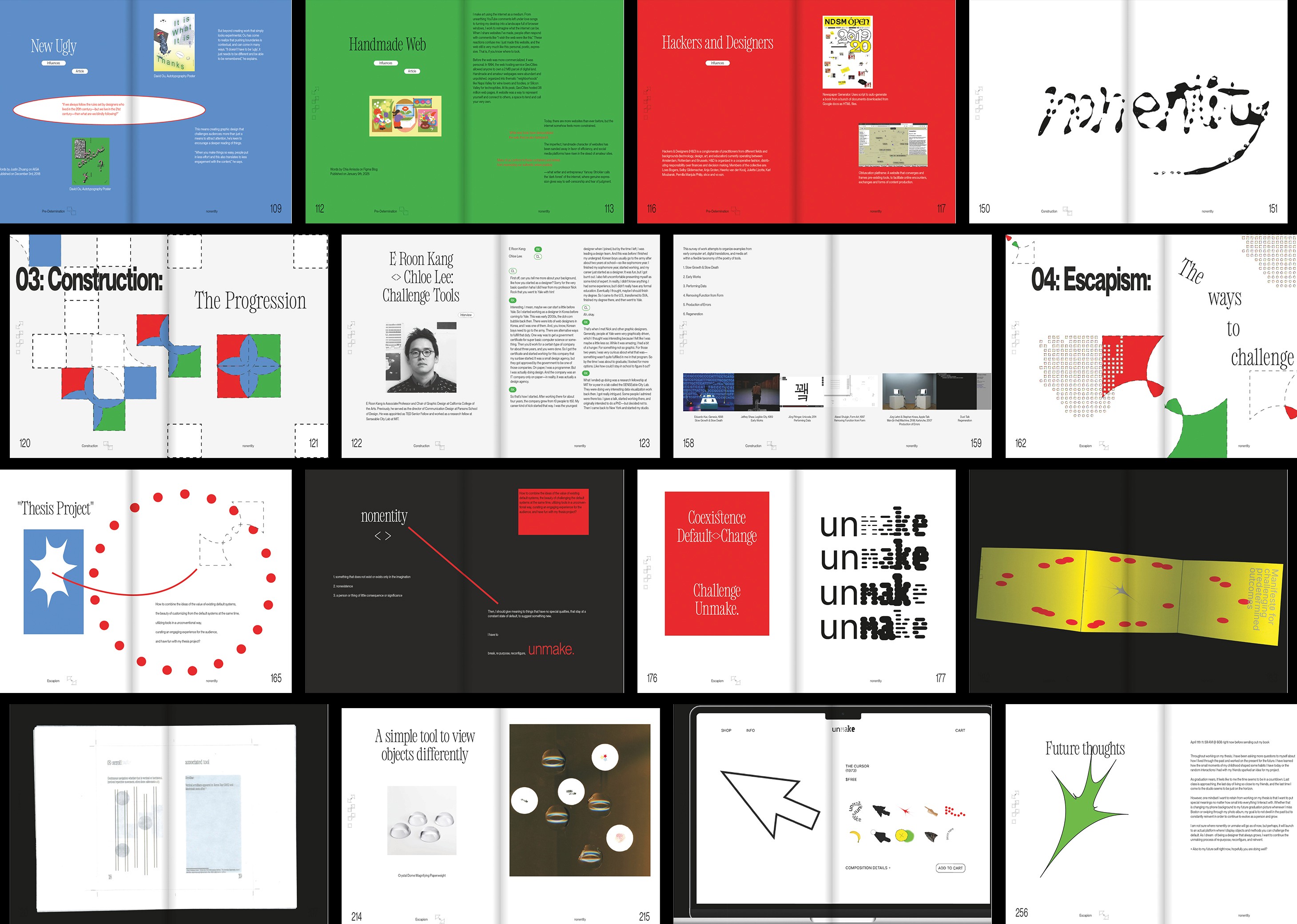
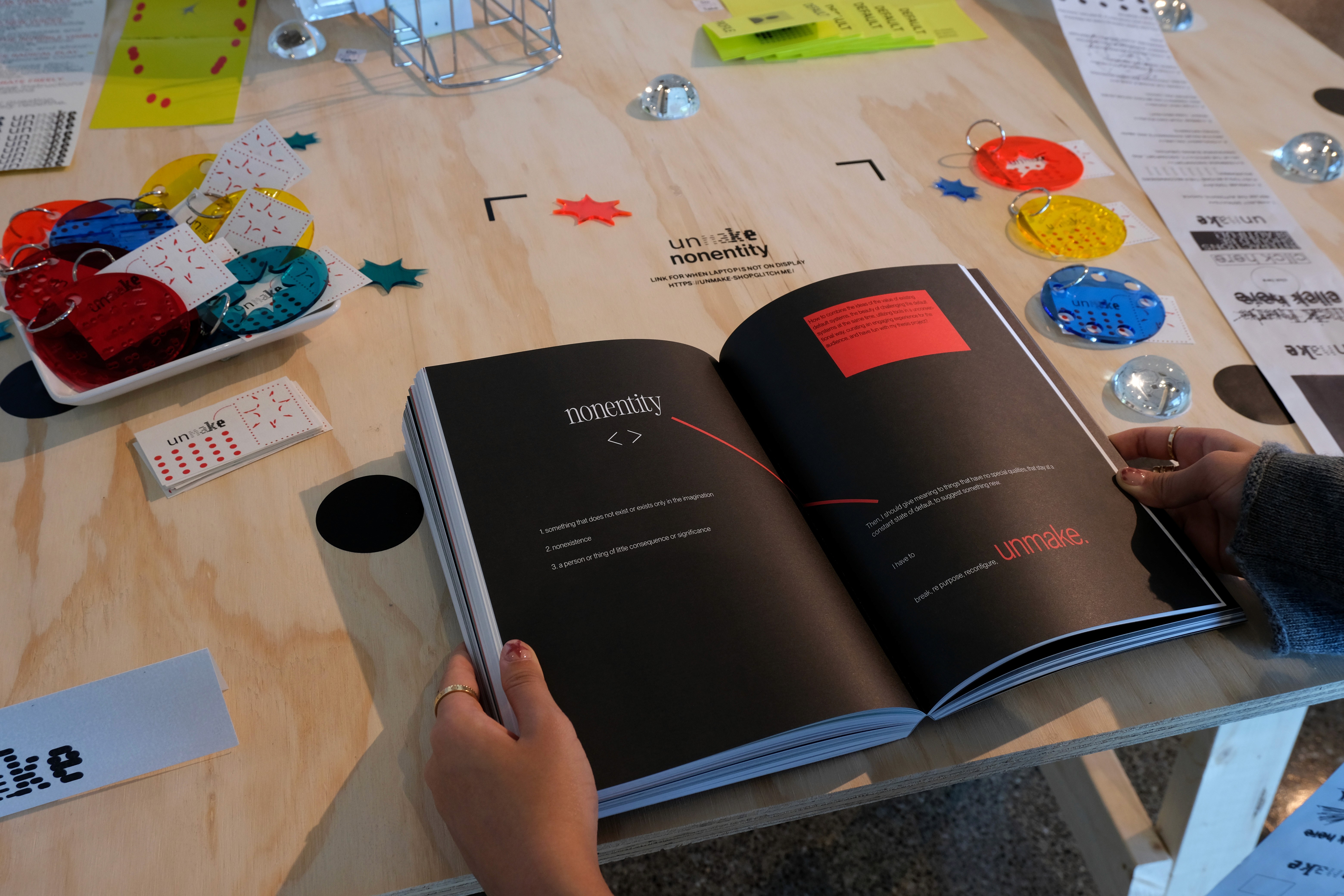
Thesis Book in detail
7.25" x 10.25"
260 pages
Thesis Projects
To explore my thesis question, I developed a series of small, fast experiments guided directly by my manifesto. Each piece acted as a provocation: a way to question assumptions, misuse tools, and foreground process over polish. Rather than producing one polished outcome, the work became a living set of inquiries about how design can stay curious, subversive, and self-critical.
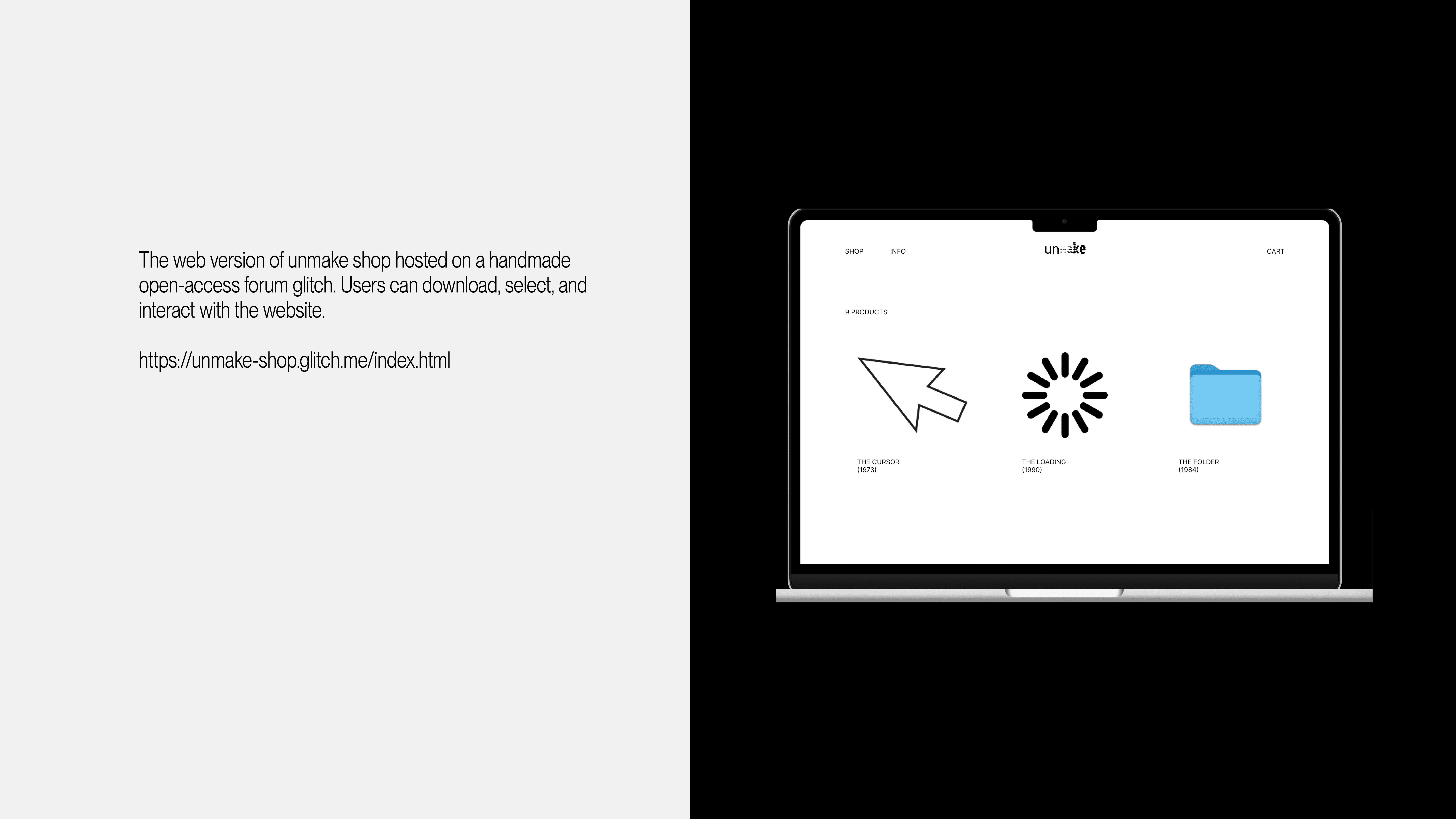
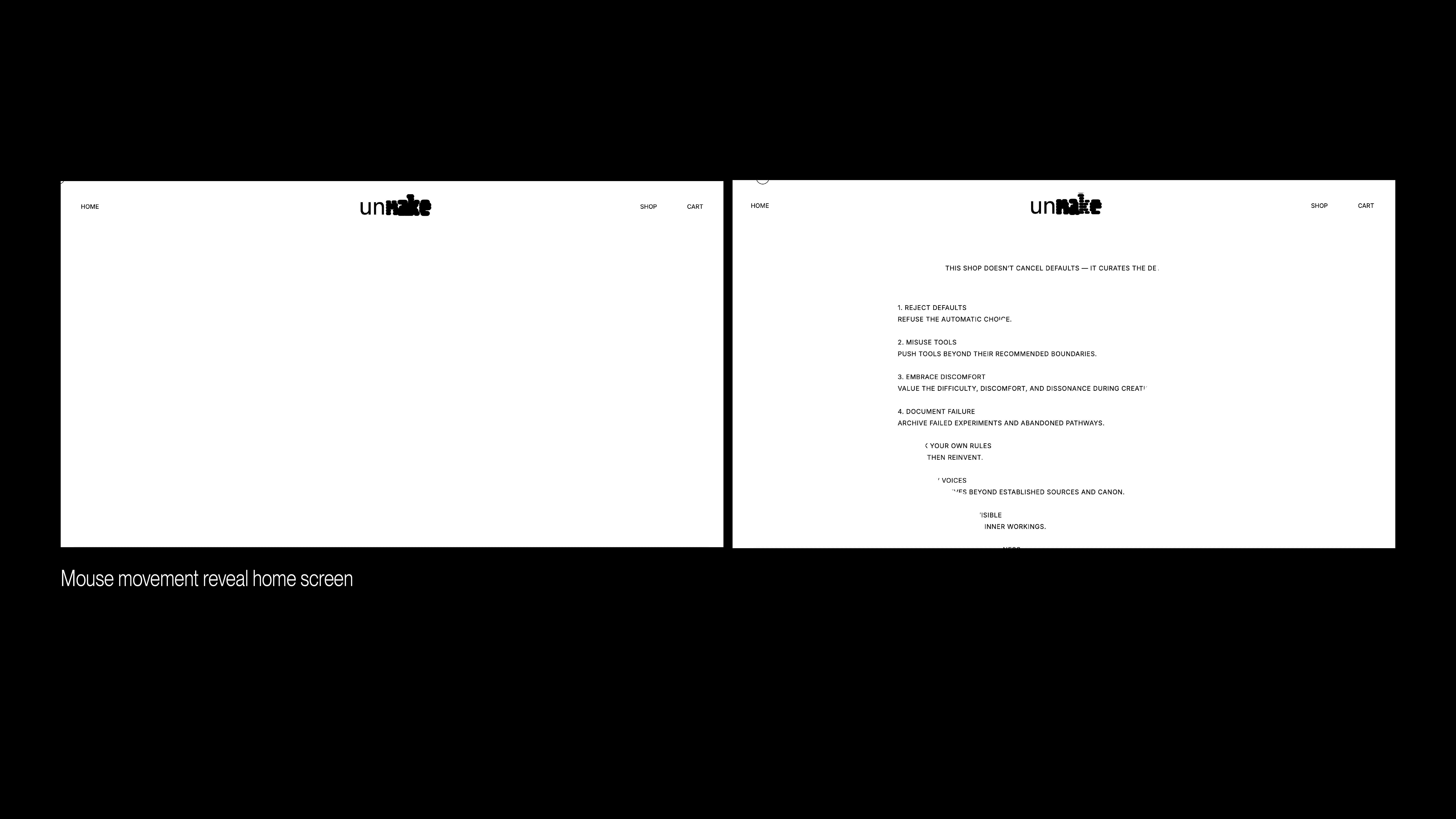
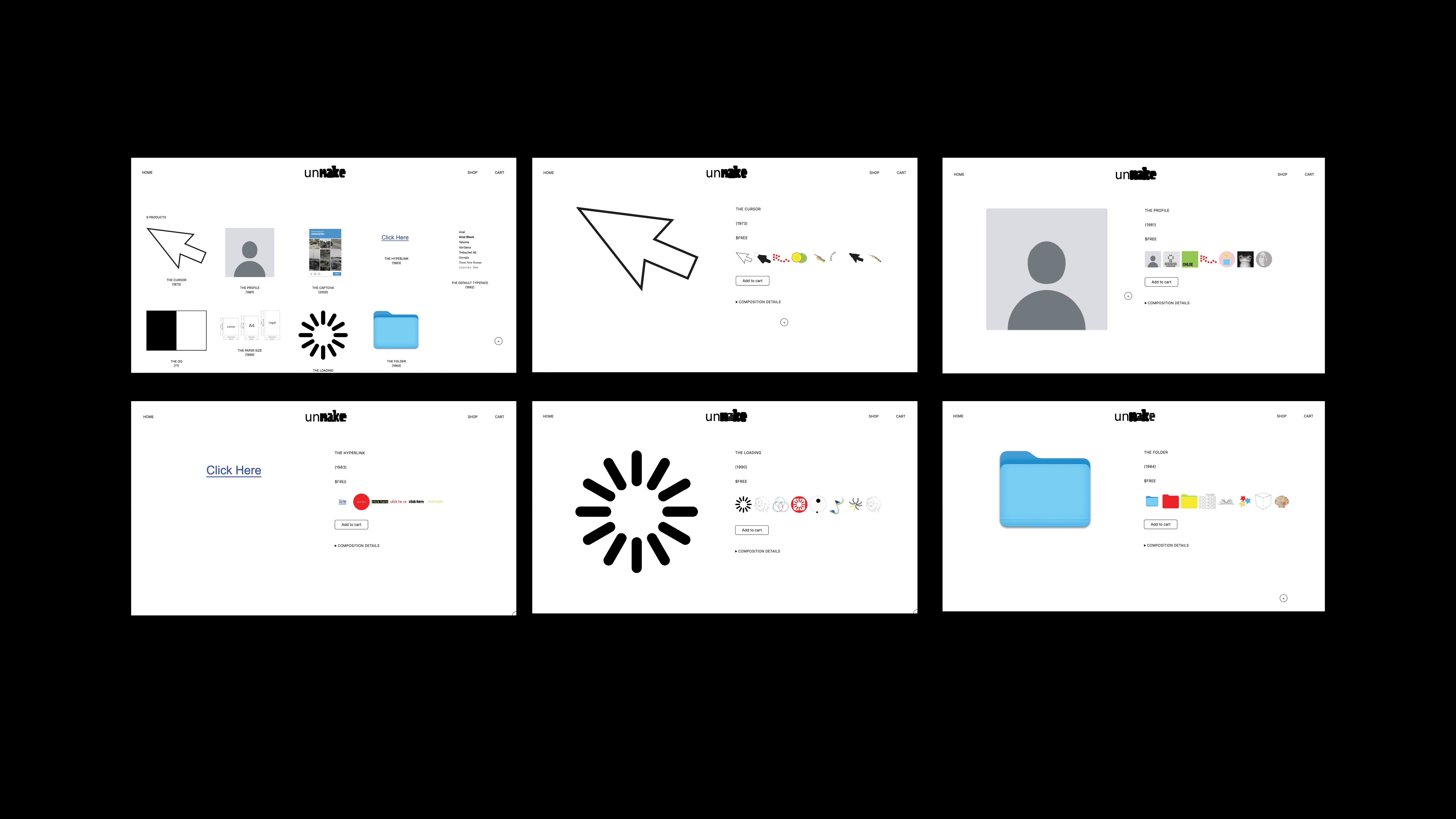
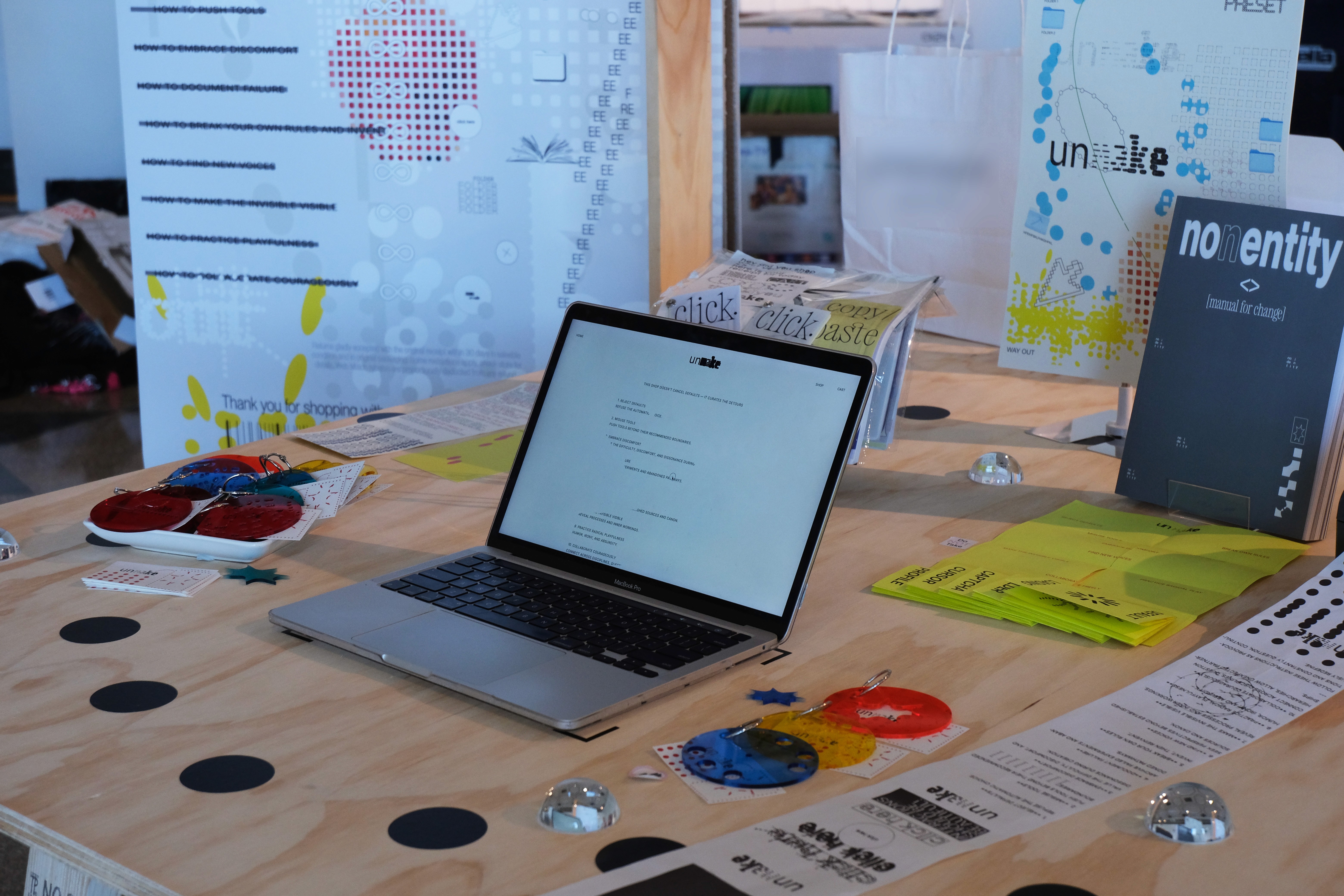
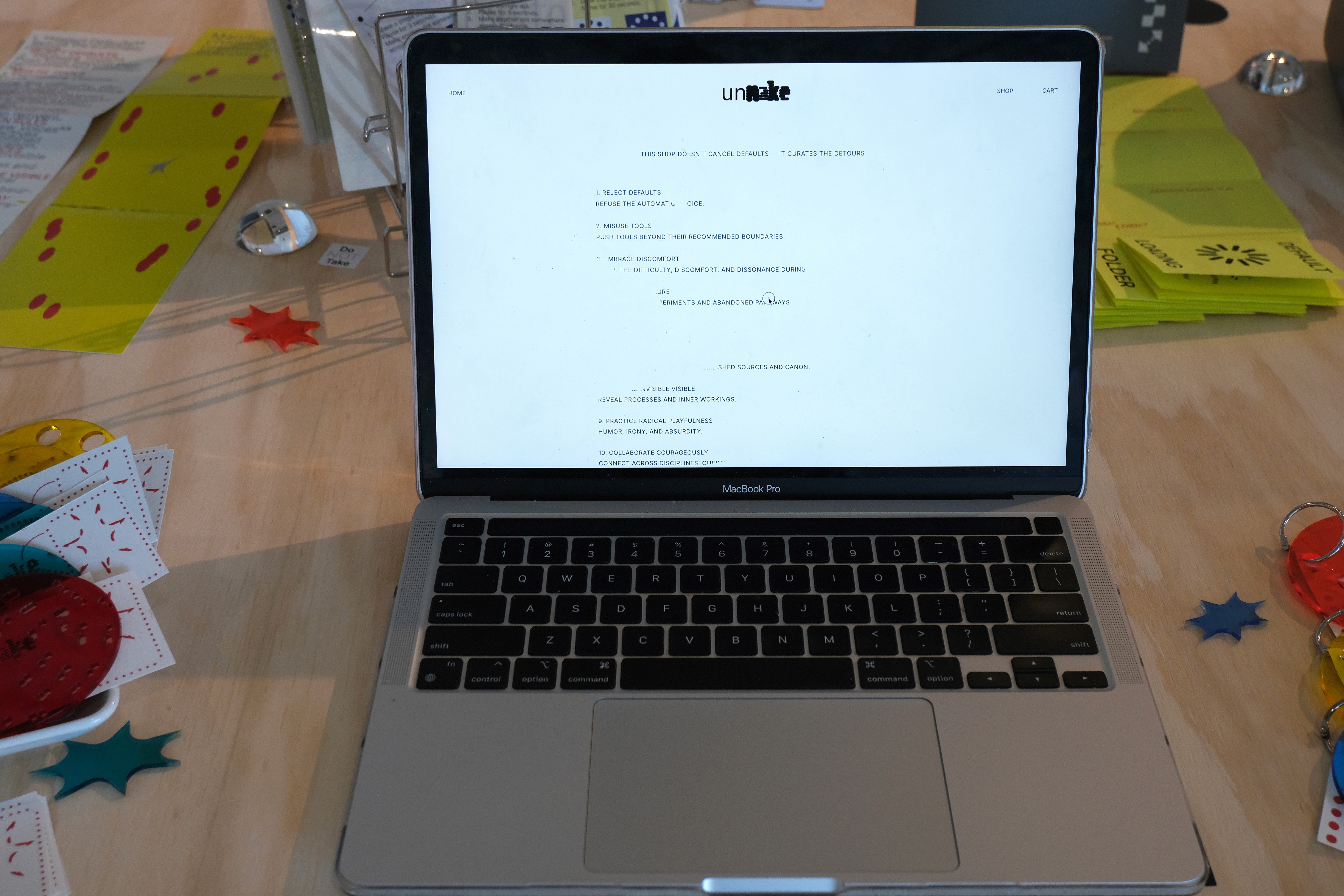
1) Website Design
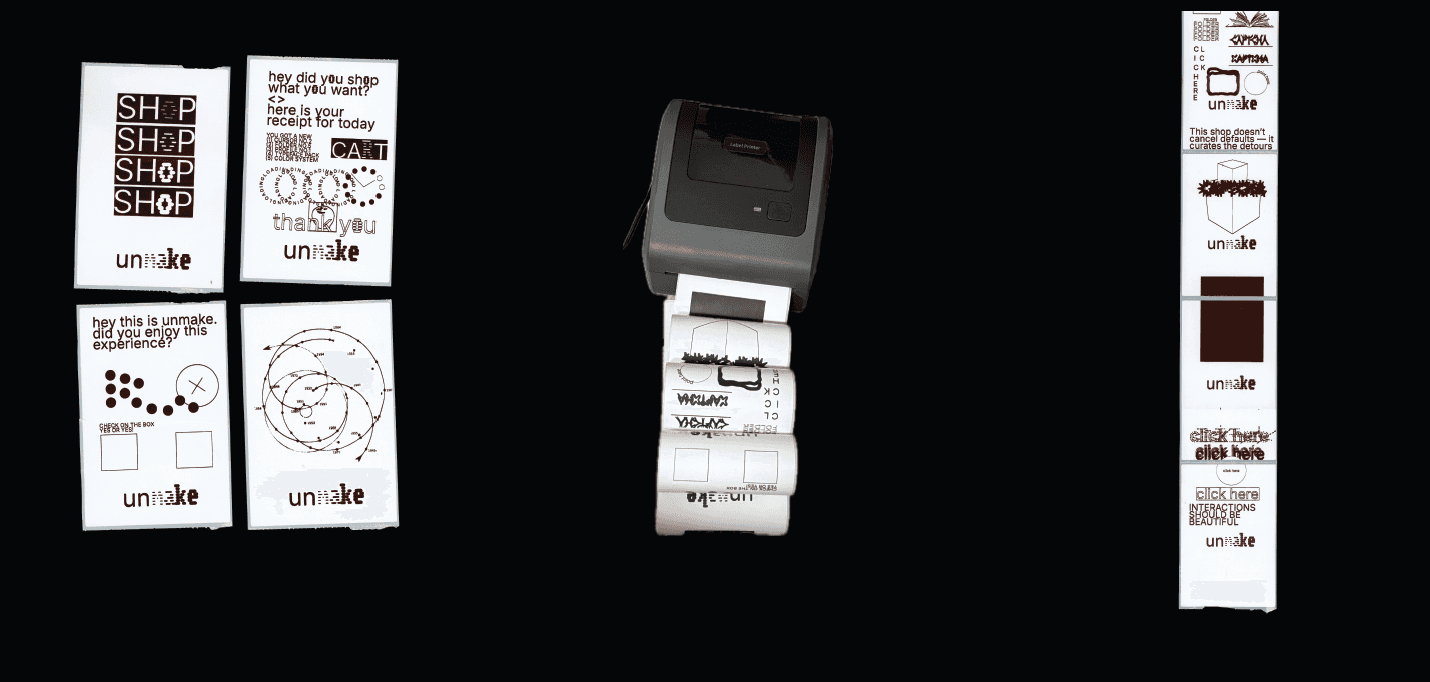
2) Speculative packaging and receipt labels: reimagined what it would look like if “unmaking” were a service: messy, procedural, and always revealing its own workings.

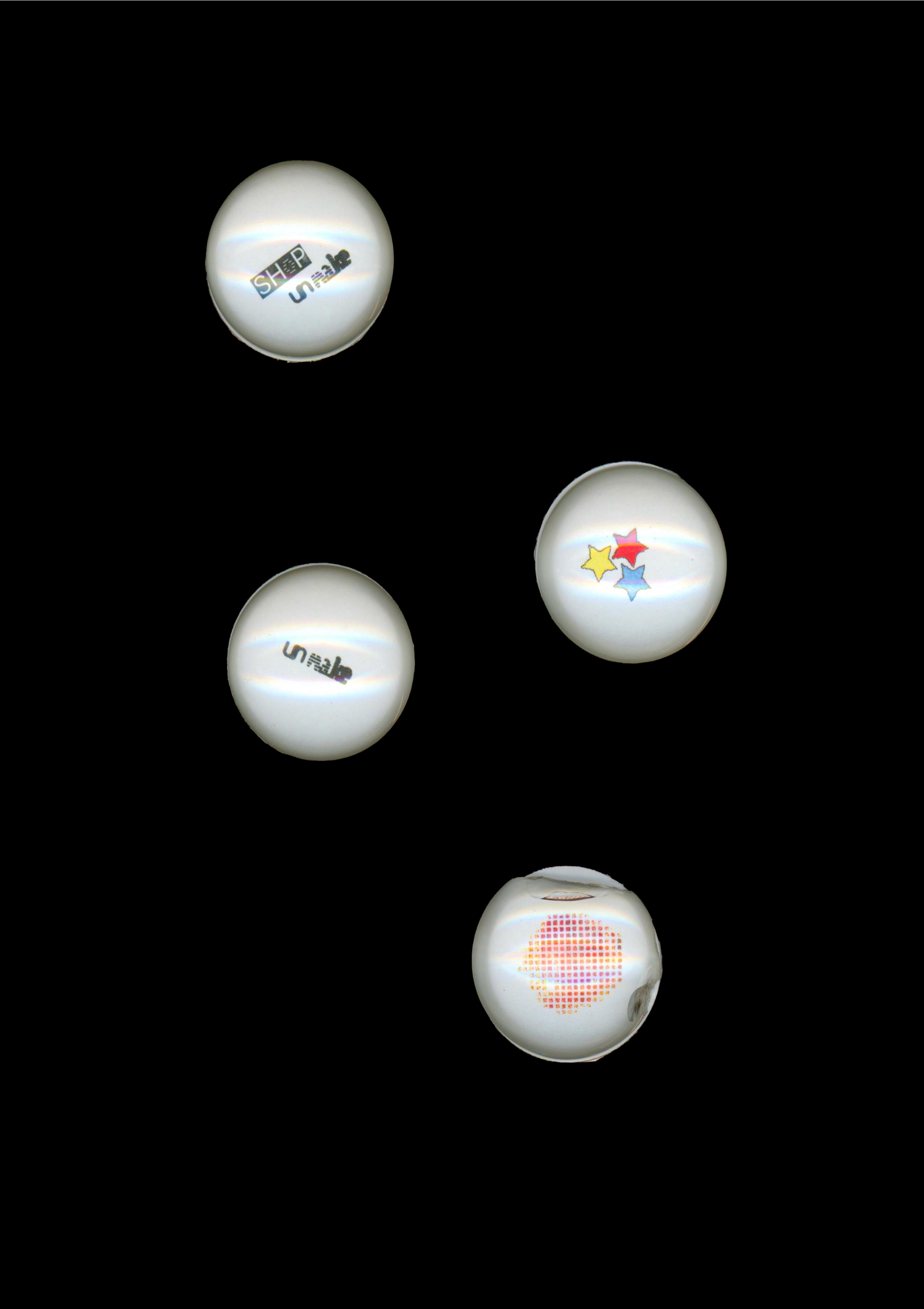
3) Mini Circle: simple paperweight as an optical tool, transforming a flat print into a dimensional encounter and revealing how even mundane objects can disrupt habitual ways of seeing.

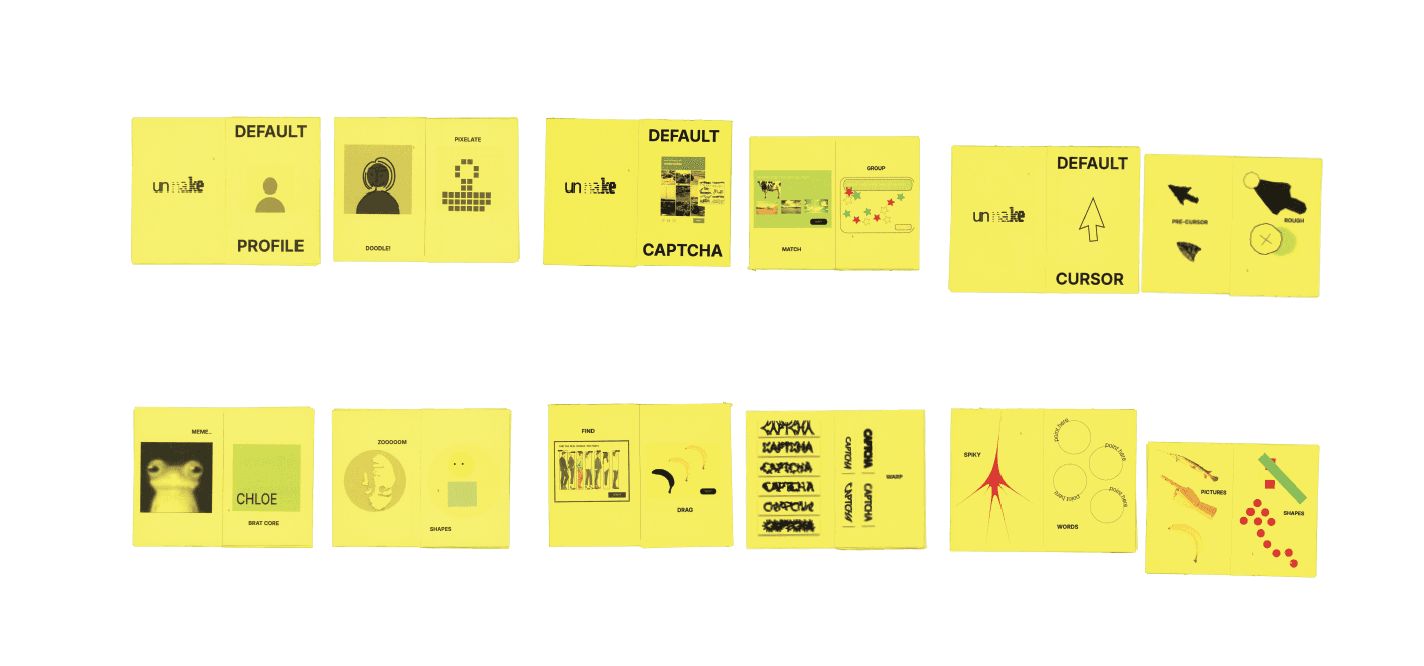
4) Micro Zine: Playful prompts that encouraged readers to shift their “micro-defaults like everyday decisions we rarely interrogate.
4) Poster Series: pushed into new-ugly aesthetics as a way to resist inherited taste and reintroduce discomfort into visual decision-making.


5) Manifesto:


Post thoughts